Poke, laulau and the food of the coast
Island food mixes Hawaiian staples with the dishes of plantation families from across the Pacific and beyond, and on this coast much of it is grown or caught close by.
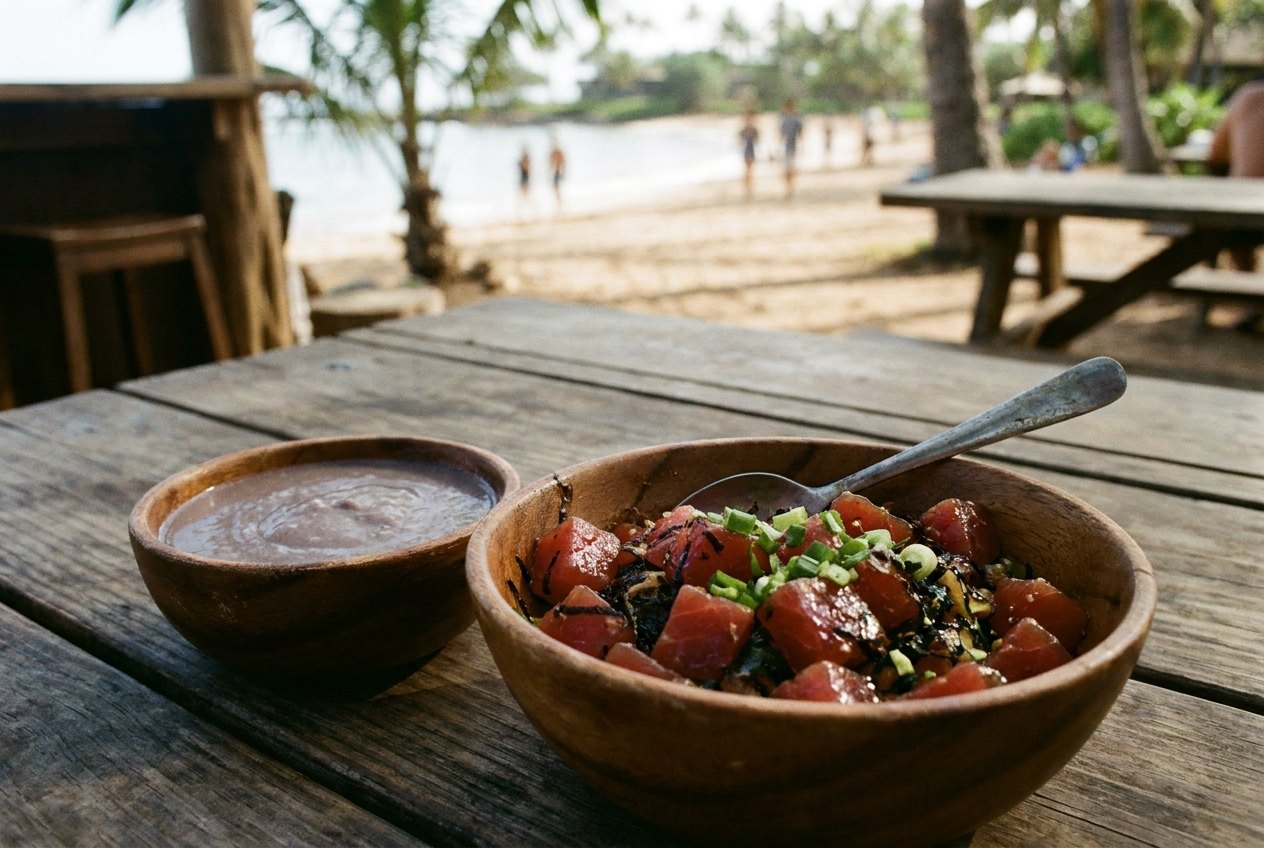
The food of Hawaiʻi Island tells its history. Hawaiian staples like kalo and fish sit beside dishes brought by the Chinese, Japanese, Portuguese, Filipino, Korean and Puerto Rican families who came to work on the sugar plantations, along with ranch beef and the produce of upland farms. On the Hāmākua Coast, where the plantations shaped every town, that mix is part of everyday life. You will find it in town lunch counters, at farmers' markets, at roadside stands and at family gatherings.
Kalo and poi
Kalo, or taro, was the foundation of the Hawaiian diet, and in Hawaiian tradition it is an elder sibling of the Hawaiian people. It grows in flooded patches called loʻi, and Waipiʻo Valley has been one of the great kalo-growing places of the island for centuries. Read more about it in the guide to kalo and the loʻi.
The corm is cooked and pounded with water to make poi, a smooth purple-grey paste eaten with other foods. Fresh poi is mild and slightly sweet; after a day or two it becomes pleasantly sour. People often describe it by consistency: thin, medium or thick. It is worth trying with salty foods like kālua pig or lomi salmon, which is how it is usually eaten. The leaves of the plant, called lūʻau, are cooked as greens and give their name to the feast.
Poke
Poke means to cut into pieces. The dish is raw fish, usually ʻahi tuna, cut into cubes and mixed with sea salt, seaweed called limu, roasted kukui nut, onion and often soy sauce and sesame oil. Older styles use only salt, limu and kukui; newer ones add almost anything. Poke is sold by weight at fish counters and markets across the island, and it is best fresh on the day it is made.
Other fish to look for include aku, a smaller tuna, mahimahi, ono and opah. Fishing is part of daily life on the island, and the catch at a market depends on the season and the weather at sea. If the boats have not gone out, there may be little fresh fish that day.
Laulau and kālua pig
Laulau is a parcel of pork, often with salted fish, wrapped in lūʻau leaves and then in ti leaves, and steamed for hours until the leaves turn soft and dark. The ti leaves are not eaten; unwrap them and eat the rest. The meat is tender and the leaves have a flavour like rich spinach.
Also on this coastValley of the Kings: the story of WaipiʻoKālua pig is pork cooked in an imu, an underground oven heated with hot stones and covered with leaves and earth. The meat comes out smoky and soft enough to shred. Imu cooking is still done for large family gatherings and celebrations, and kālua pork made in ovens is widely sold. Pair either one with poi, rice and lomi salmon, a salad of salted salmon, tomato and onion.
Plate lunch and local favourites
The plate lunch is the everyday meal of the islands: a main dish, two scoops of rice and a scoop of macaroni salad. The main might be teriyaki beef, chicken katsu, kalbi short ribs, or fish. It grew out of the plantation lunch buckets, when workers shared food from different cuisines.
Loco moco, a bowl of rice topped with a hamburger patty, a fried egg and brown gravy, is widely said to have been created in Hilo in the mid-twentieth century. Saimin, a noodle soup with Chinese and Japanese roots, is another local staple. Musubi, a block of rice topped with grilled luncheon meat and wrapped in seaweed, is sold everywhere from markets to petrol stations.
Malasadas and sweets
Portuguese families brought malasadas to the islands in the late nineteenth century: fried yeast doughnuts with no hole, rolled in sugar and best eaten warm. Some are filled with custard, coconut or fruit cream. The Portuguese also brought sweet bread, which became a local favourite. Other sweets to try include haupia, a firm coconut pudding; butter mochi, a dense cake made with rice flour; and shave ice, finely shaved ice with syrups, often with a scoop of ice cream or sweet beans underneath.
Farm produce of the coast and uplands
The end of sugar on the Hāmākua Coast opened land to smaller farms. Today the coast and the uplands around Waimea grow vegetables, tomatoes, lettuce, mushrooms, herbs, fruit and flowers for island tables. Ranches raise grass-fed beef. Look for avocados, papayas, bananas, lilikoʻi (passion fruit), citrus, starfruit and macadamia nuts, along with fruit you may not know, such as rambutan, mountain apple or soursop.
- Farmers' markets in towns like Honokaʻa, Waimea and Hilo run on certain days of the week.
- Roadside stands sometimes work on trust, with a box for payment. Bring small notes.
- Fruit seasons vary through the year. Ask what is ripe now.
Eating well and respectfully
The best island food is often the simplest, and the best places to eat it are rarely the most visible. Lunch counters in old plantation towns, a market stall selling poke by the pound, or a family-run food stand at a fair will tell you more about the coast than any restaurant guide. Eat what is fresh, ask what something is if you do not know, and accept that some dishes are an acquired taste. Poi, in particular, tends to grow on people.
Respect the source of the food as well. Fruit trees along the road almost always belong to someone, even when the fruit has fallen. Fishponds and loʻi are working places, not attractions. Buying directly from farmers and fishers keeps money on the island and supports the people who keep the coast productive.
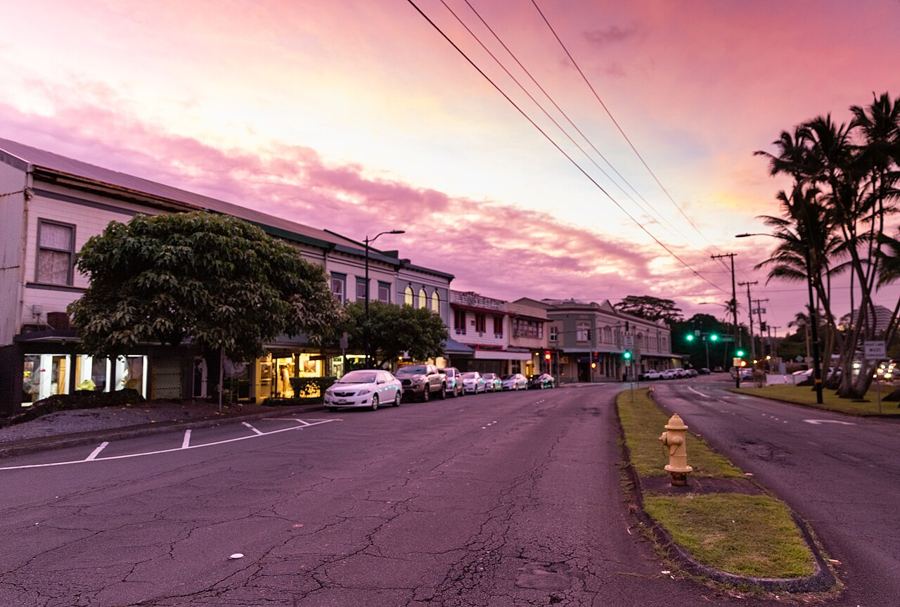 Weather, roads and getting around the island
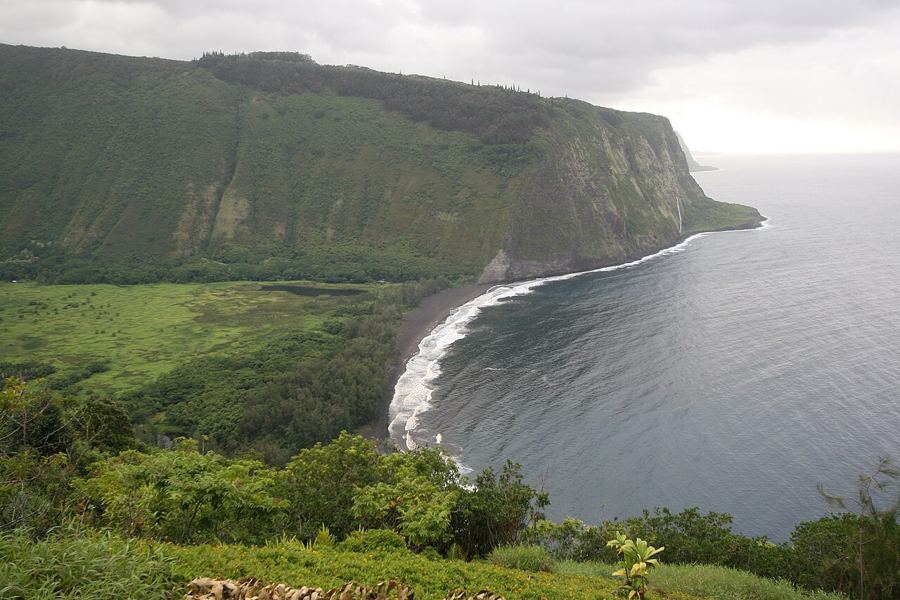 Looking down into Waipiʻo
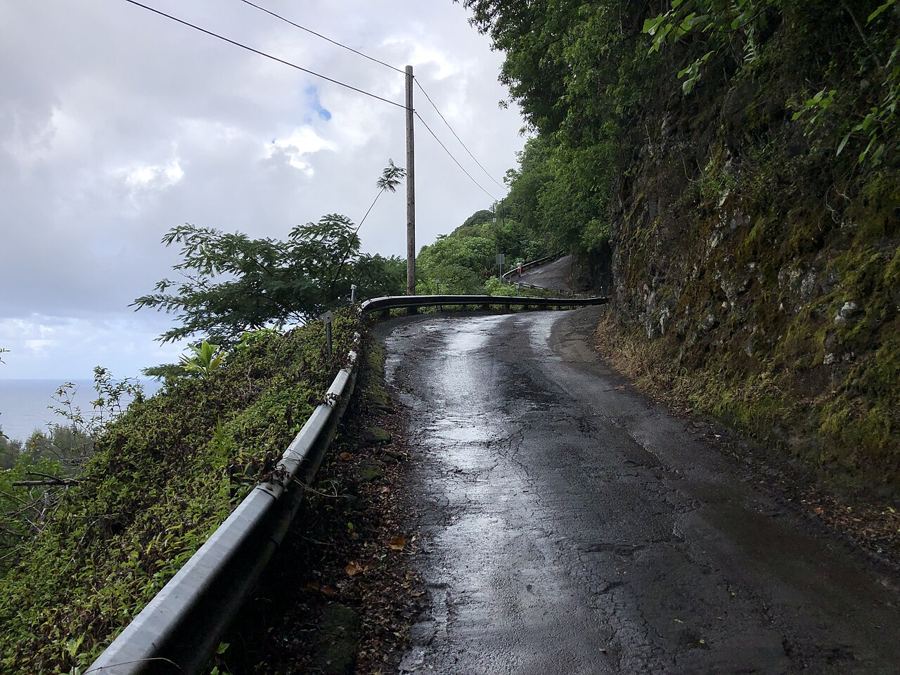 The road down: access to Waipiʻo since 2022