Mauna Kea, sacred mountain and sky
The highest point in Hawaiʻi is a realm of the gods in Hawaiian tradition and one of the best places on Earth to study the sky, and those two facts have shaped decades of debate.
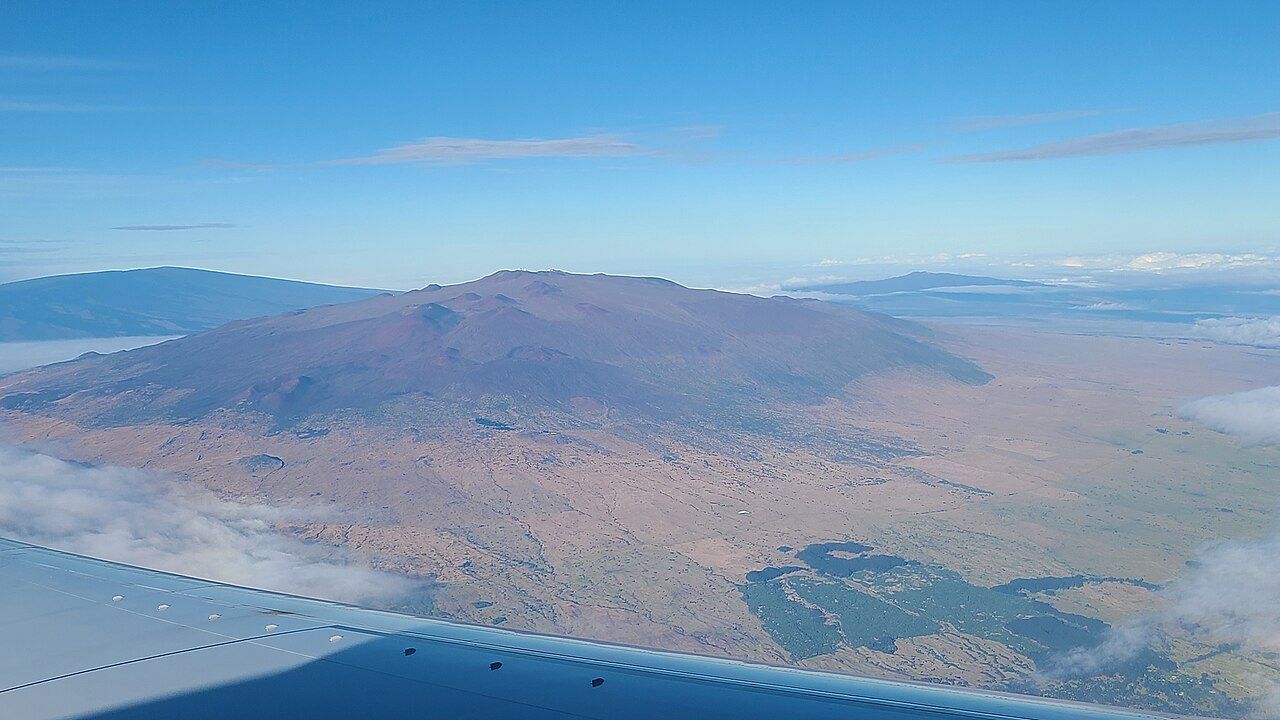
From almost anywhere on the Hāmākua Coast, on a clear morning, you can see Mauna Kea: a broad, rounded summit far above the clouds, dark brown in summer and often white in winter. It rises to about 4,207 metres, the highest point in the state of Hawaiʻi. Measured from its base on the ocean floor, it is taller than any mountain on Earth.
For Native Hawaiians, Mauna Kea is far more than a height. It is a sacred place, and for the last half-century it has also been home to some of the world's most important astronomical observatories. Understanding both is the starting point for any visit.
A sacred mountain
In Hawaiian tradition the upper slopes of Mauna Kea belong to the wao akua, the realm of the gods, distinct from the lands below where people live and work. The mountain is linked in genealogy to Wākea, the sky father, and is often described as the piko, the navel or centre, of the island. Snow on the summit is associated with Poliʻahu, the goddess of snow, and other female deities connected with mist and water are tied to the mountain.
The summit area holds many shrines and burial sites, and near the top lies Waiau, a small lake that is one of the highest in the United States and a place of deep cultural importance. On the mountain's flank, an ancient quarry produced dense basalt used for adzes that were carried across the island. These are not abstract associations. Families still visit the mountain for prayer and ceremony, and many Hawaiians consider its care a personal responsibility.
The telescopes and the dispute
Astronomers recognised in the 1960s that the summit of Mauna Kea, high above most of the moisture in the atmosphere and far from city light, offers conditions found in very few places. The first major telescopes were built there around 1970, and over the following decades the summit became a cluster of domes run by institutions from several countries. The state leased the summit lands to the University of Hawaiʻi, which managed them for many years.
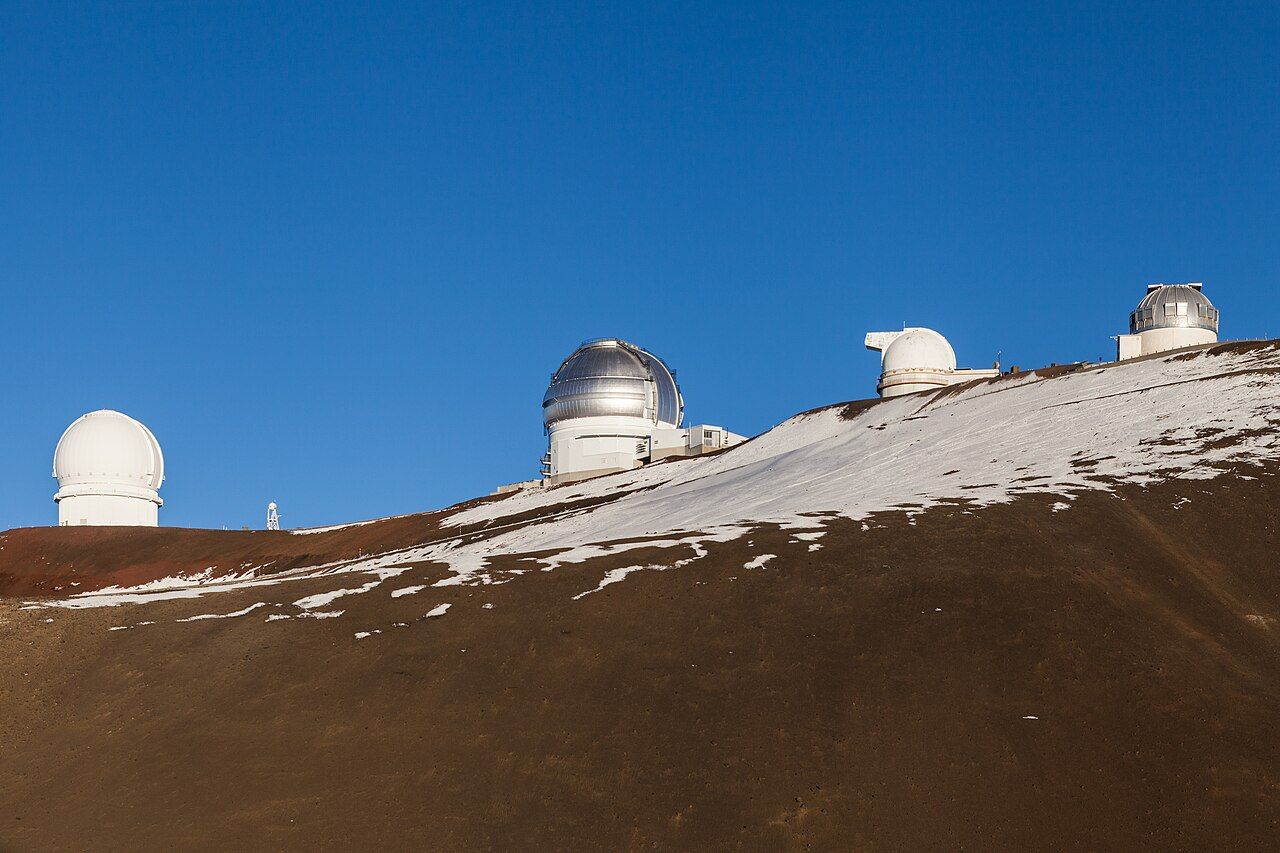
Opposition grew alongside the observatories. Many Native Hawaiians and others objected to construction on sacred land, to damage to cultural sites and habitat, and to what they saw as poor management of the summit over decades. The dispute came to a head over plans for a very large new telescope. Protests in the mid-2010s halted construction, and in 2019 thousands gathered on the road to the summit for months, many calling themselves kiaʻi, protectors. Elders were among those arrested, which drew wide attention.
Supporters of astronomy on the mountain point to discoveries of global importance, to education and jobs for island families, and to efforts to reduce the footprint of the observatories, including plans to remove some older telescopes. Opponents argue that no amount of science justifies further building on the summit, and that the people whose ancestors held the mountain sacred should decide its future.
In 2022 the state created a new authority to manage the mountain, with Native Hawaiian cultural practitioners among its members, to take over from the university over a period of years. Many people hope it marks a change in how decisions are made. The questions it faces, about what is built, what is removed and who has a voice, are not settled. If you visit, you are walking into a living debate, and listening matters more than taking sides.
Also on this coastHawaiian words and a respectful visitIf you visit, you are walking into a living debate, and listening matters more than taking sides.
Altitude and safety
The summit is higher than many people have ever been, and the road reaches it fast. At that height there is roughly 40 percent less oxygen than at sea level. Altitude sickness is common and can be serious. Headaches, nausea, dizziness and confusion are warning signs; the only reliable remedy is to go down.
- Children under about thirteen, pregnant women, and people with heart or lung conditions are advised not to go above the mid-level visitor area.
- Do not go up within a day of scuba diving.
- Spend time at the mid-level stop to adjust before going higher.
- Bring water, sunscreen and warm clothes; temperatures can be near or below freezing even when the coast is warm, and the sun is strong.
The upper road is steep and partly unpaved, and four-wheel drive is generally required beyond the mid-level area. Many rental agreements do not allow driving there. Weather changes quickly: snow, ice, high winds and fog can close the road.
The mid-level visitor area
At around 2,800 metres on the summit road, a visitor station has long been the stop where people pause to acclimatise, learn about the mountain and, on many nights, look through small telescopes at the sky. Its programmes, opening and services have varied. Even without the summit, this level gives a sense of the scale of the mountain, and the sky after dark can be extraordinary.
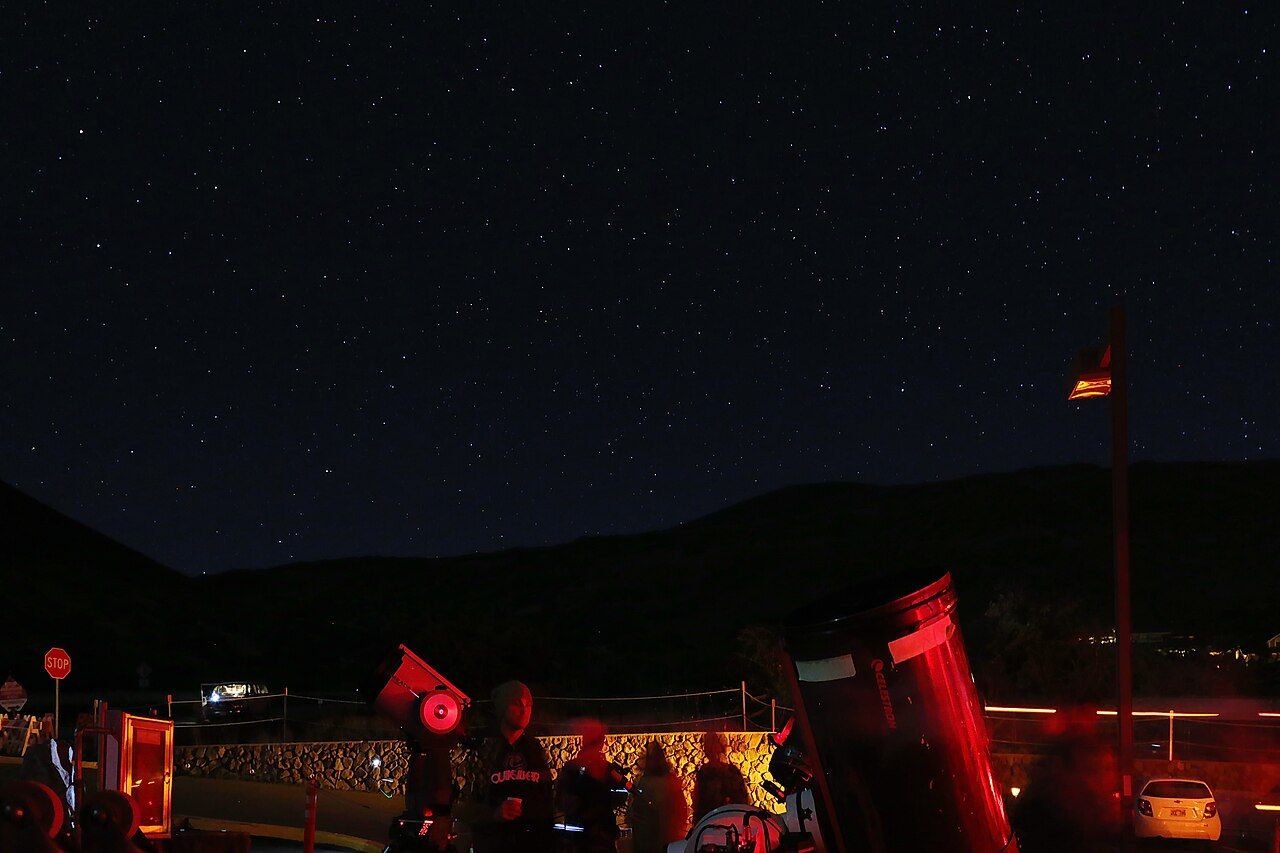
Bring a warm jacket and a red light if you plan to stay after sunset. White headlamps and car lights spoil the night vision of everyone around you, and the visitor area asks people to keep light to a minimum.
Reaching Mauna Kea
The summit road leaves the Saddle Road, Route 200, which crosses the island between Mauna Kea and Mauna Loa. From Honokaʻa the usual route goes west to Waimea, then south and east along the saddle; from Hilo the road climbs directly inland. The drive is long and the saddle can be foggy, so start with a full tank: there are few services once you leave town.
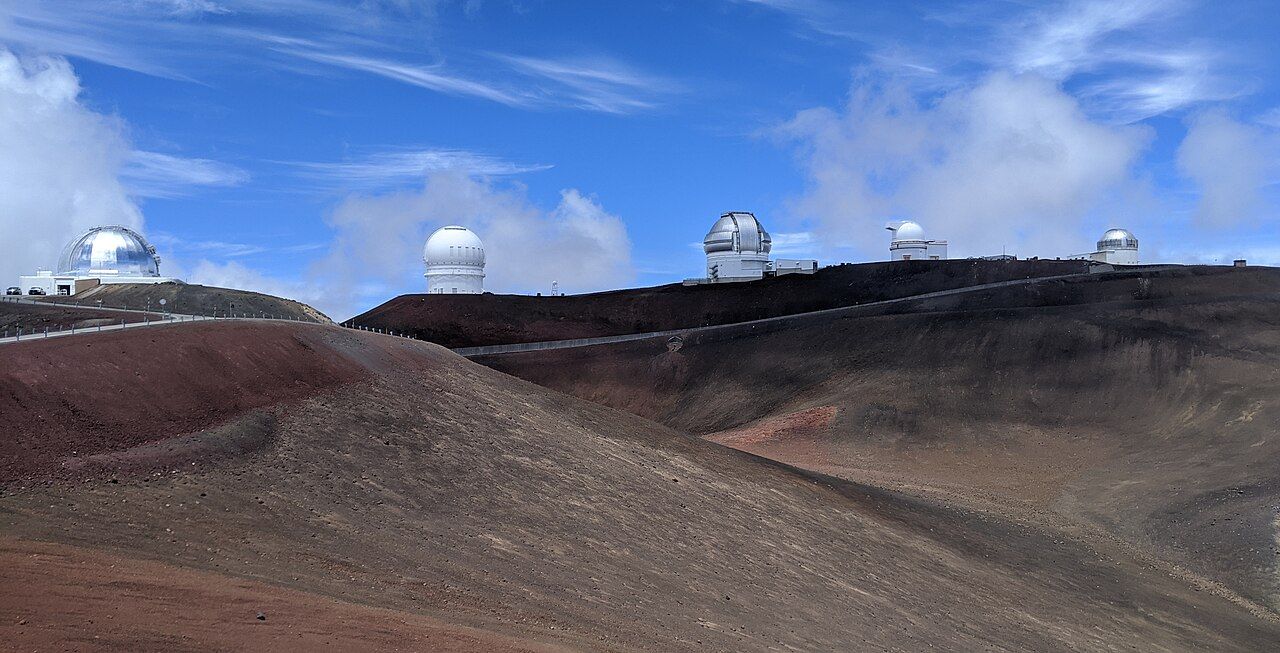
From Waimea, the mountain fills the view to the south-east, and the ranch town makes a good base. From the Hilo side, the town on the bay has museums that explain both the astronomy and the cultural history, and the mountain is often visible above the town at sunrise. If you prefer to stay low, the coast between them, including the Hāmākua heritage drive, gives some of the best views of the summit without the altitude.
Time at Mauna Kea
Wherever you go on Mauna Kea, the mountain asks for restraint. Stay on established roads and trails. Do not move stones, stack rocks or build small shrines, which disturb cultural sites and confuse the real ones. Leave ceremonies and offerings alone. Do not take rocks or sand as souvenirs. Respect closures and any signs asking visitors to keep out of certain areas.
Many visitors find the most meaningful experience is a quiet one: watching the light change on the summit from below, or standing at mid-level as the sun drops into the clouds. Mauna Kea does not need to be climbed to be understood.
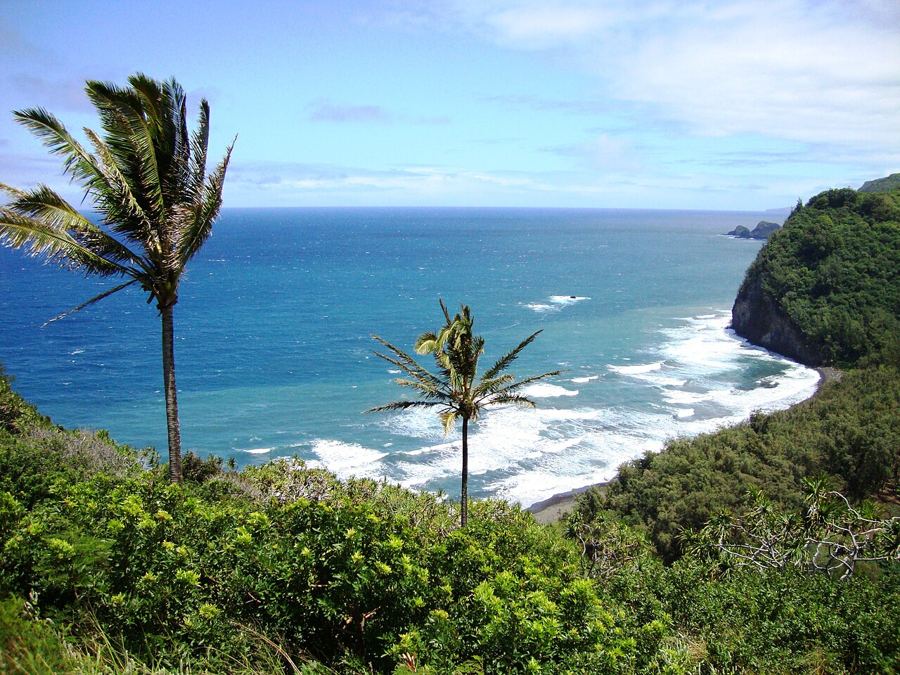 Pōlōlū Valley at the other end
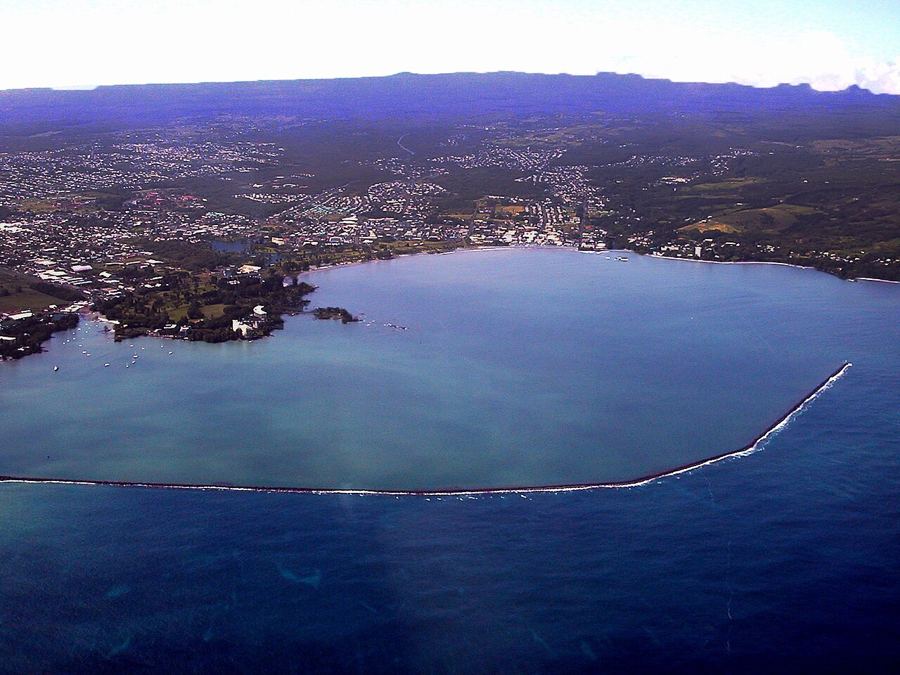 Hilo, the rainy capital
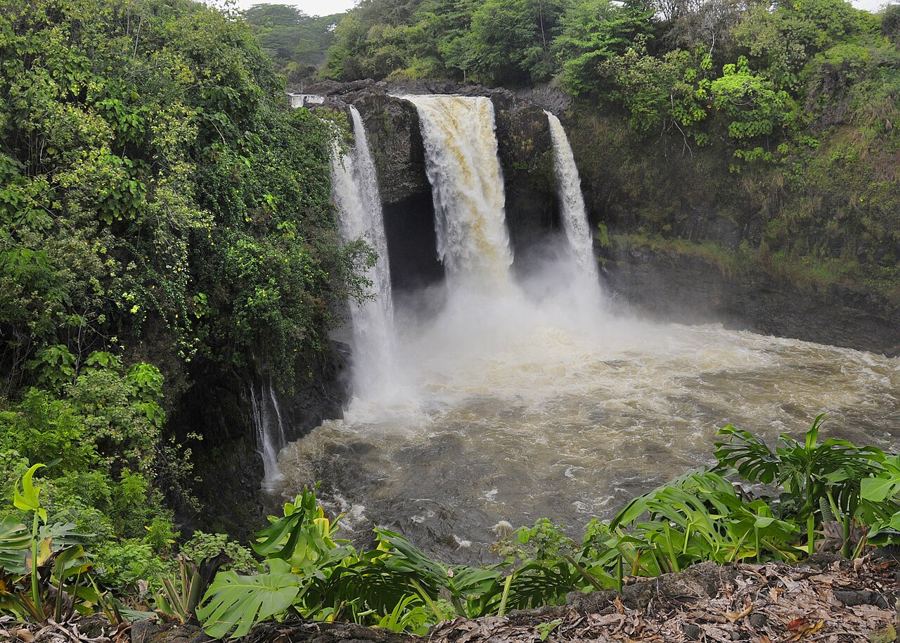 Rainbow Falls and the Wailuku River