Hawaiian words and a respectful visit
A few words of Hawaiian, said with care, and a few habits of respect go a long way on an island where places have names, stories and people who look after them.
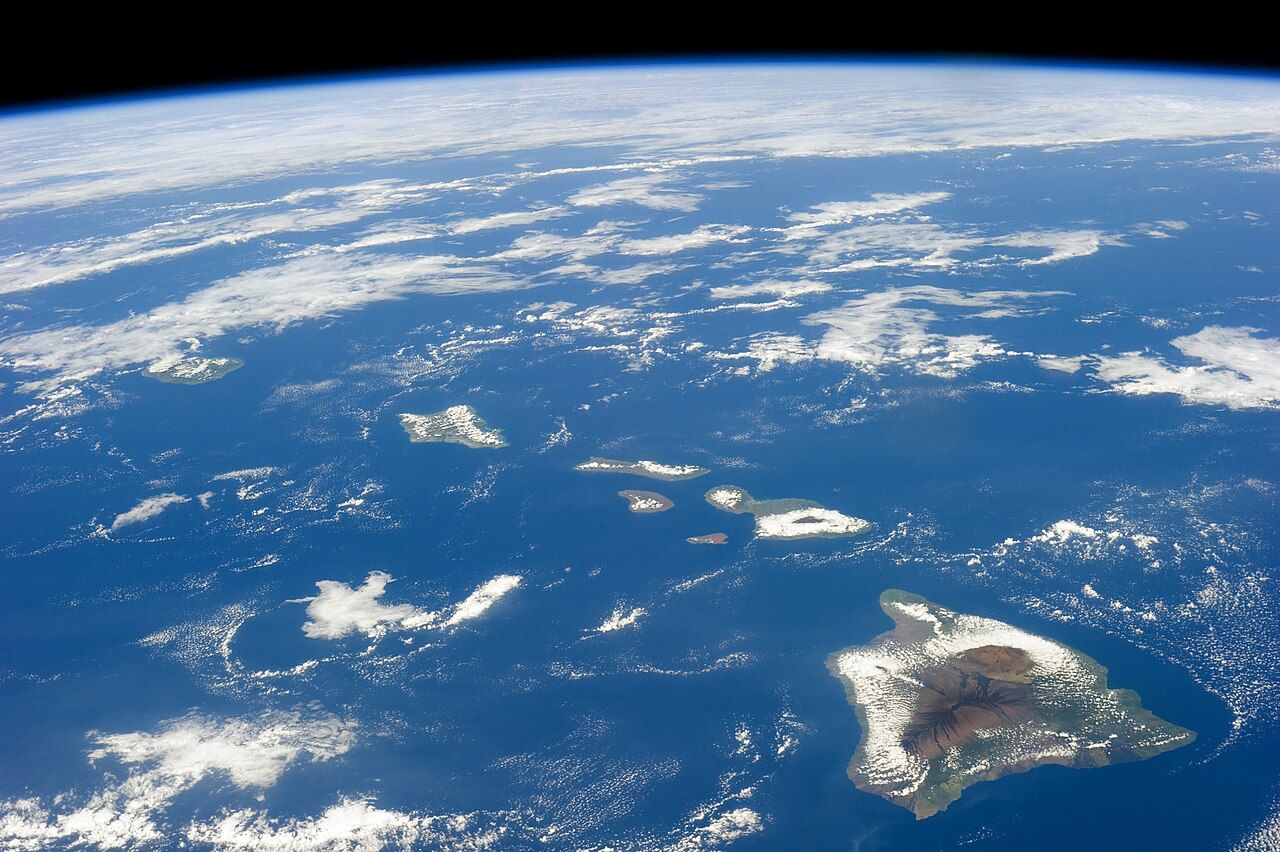
Hawaiian is a living language, spoken at home by some families, taught in immersion schools and used every day in place names, greetings and songs. You do not need to speak it to visit, but learning a few words, and how to say them, is a simple act of respect. So is understanding the ideas behind some of them, which shape how people here think about land, family and responsibility.
The two marks
Written Hawaiian uses two marks that matter for pronunciation and meaning. The ʻokina, which looks like a reversed apostrophe, is a glottal stop: a small catch in the voice, like the break in the middle of uh-oh. It is a consonant in its own right. The kahakō, a line over a vowel, marks a longer vowel sound.
These marks change meanings. Hawaiʻi has an ʻokina between the last two vowels; Waipiʻo has one before the final o; Honokaʻa has one before the final a. Hāmākua has two long vowels. Using the marks in writing, and the sounds in speech, shows care, and you will see them more and more on signs and maps across the islands.
Hawaiian has only thirteen letters: five vowels, seven consonants and the ʻokina. Vowels are pronounced roughly as in Spanish or Italian, and every syllable ends in a vowel. Take place names slowly, syllable by syllable, and they become much easier.
Many words also double vowels or run several together, as in the name of the snow goddess Poliʻahu or the town Laupāhoehoe. Pronounce each vowel. Laupāhoehoe, for example, is lau-pā-ho-e-ho-e, and the effort is noticed and appreciated.
Everyday words
| Word | Meaning |
|---|---|
| aloha | love, affection, compassion; also a greeting and farewell |
| mahalo | thank you |
| ʻohana | family, including extended family |
| keiki | child, children |
| kūpuna | elders, grandparents, ancestors |
| mauka | toward the mountain, inland |
| makai | toward the sea |
| pau | finished, done |
| kōkua | help, cooperation |
| kapu | forbidden, sacred, keep out |
Mauka and makai are used for directions all over the island, often in place of north or south. If someone tells you a place is a mile mauka of the highway, head uphill.
A language that nearly disappeared
After the overthrow of the Hawaiian Kingdom in 1893, a law passed in 1896 made English the medium of instruction in schools. Over the following decades children were discouraged, often punished, for speaking Hawaiian, and the number of native speakers fell sharply. By the late twentieth century only a small number of children were growing up with the language.
Also on this coastValley of the Kings: the story of WaipiʻoA revival began in the 1970s and gathered pace in the 1980s, when families and teachers founded Hawaiian-language preschools and later immersion schools. Hawaiian became an official language of the state in 1978. Today a new generation speaks it, and the University of Hawaiʻi at Hilo offers study through to the highest levels in Hawaiian. The language you see on signs and in songs is part of a hard-won comeback.
Kuleana and mālama ʻāina
Kuleana means responsibility, and also the right and privilege that come with it. It is used in everyday speech: something is your kuleana if it is yours to take care of. For a visitor, the idea is simple. Taking care of the places you visit is part of being here.
Mālama ʻāina means to care for the land. ʻĀina is often translated as land, but its root meaning is that which feeds. Land in Hawaiian thought is not property first; it is a source of life and an ancestor. That idea shapes how many people feel about the valleys, streams and mountains you will see, including Mauna Kea and the loʻi of the valley floor.
Sacred places and private land
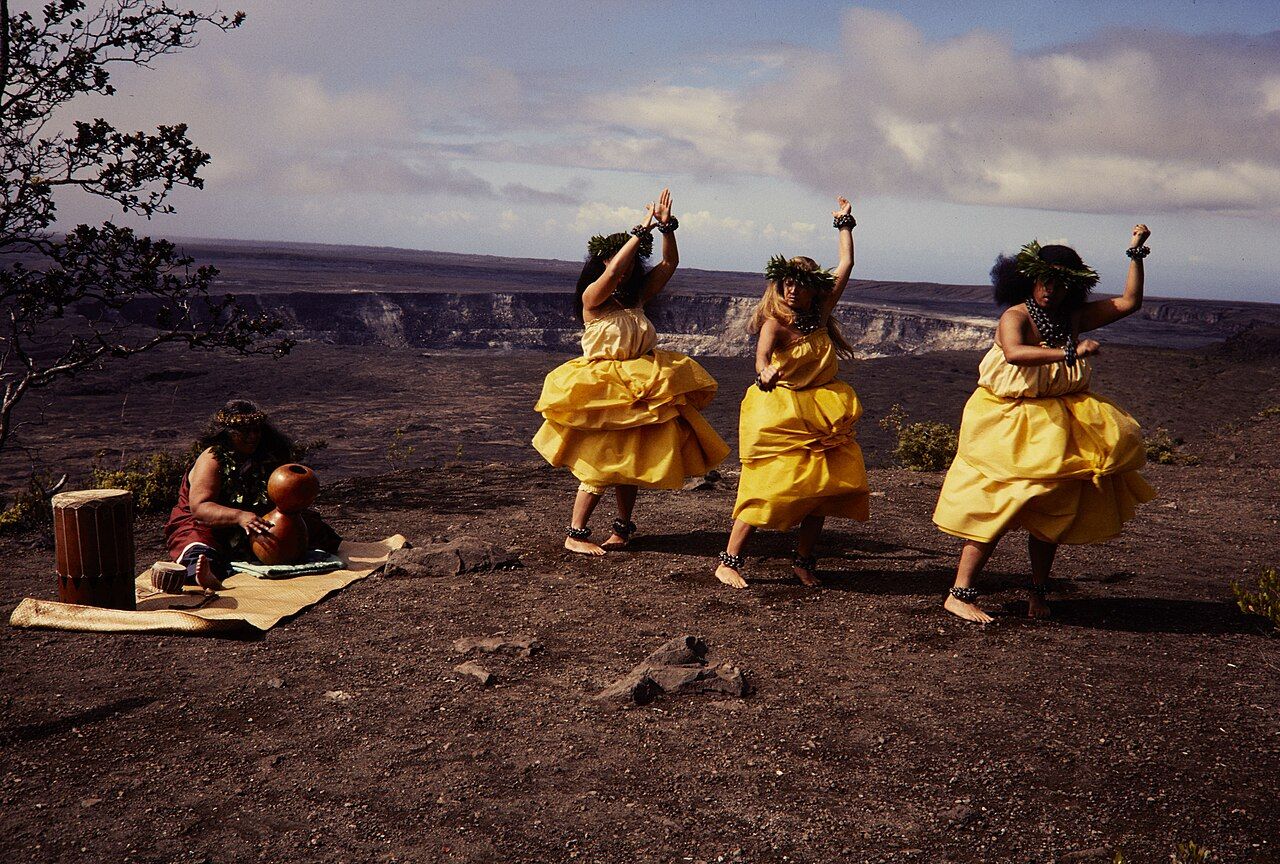
Across the island there are heiau, temple sites, often visible as stone platforms or walls; burial sites, sometimes in caves or sand dunes; and wahi pana, storied places tied to events and figures in Hawaiian history. Many of them look like piles of rock to the untrained eye. Treat any stone structure with respect: do not climb on it, move stones, or leave things on it. Offerings you may see were left by people with a connection to the place.
Much of the land you pass is private, including most of Waipiʻo Valley, which is still farmed by families. A gate or a fence, or simply a lack of a public path, means stay out. Read more in the guide to the road and access before thinking about going down into the valley.
Rocks, sand and other habits
- Leave rocks, sand, shells and coral where they are. Taking lava rock is widely said to bring bad luck, and many are mailed back each year by people who regret it.
- Do not stack rocks into small towers. They can be mistaken for, or disturb, real cultural sites.
- Give sea turtles, monk seals and other wildlife plenty of room; touching or crowding them is against the law.
- Do not pick flowers or lei plants in parks or on private land.
- Drive slowly and patiently. One-lane bridges, narrow roads and local traffic call for a relaxed pace.
None of this is complicated. It comes down to treating the island as someone's home, because it is. A visitor who slows down, listens, says mahalo and leaves places as they found them will be welcome almost anywhere.
If you are unsure whether you may enter a place, take a photograph, or join in, ask. Most people are glad to explain, and a question asked politely is always better than a guess.
 Poke, laulau and the food of the coast
 Weather, roads and getting around the island
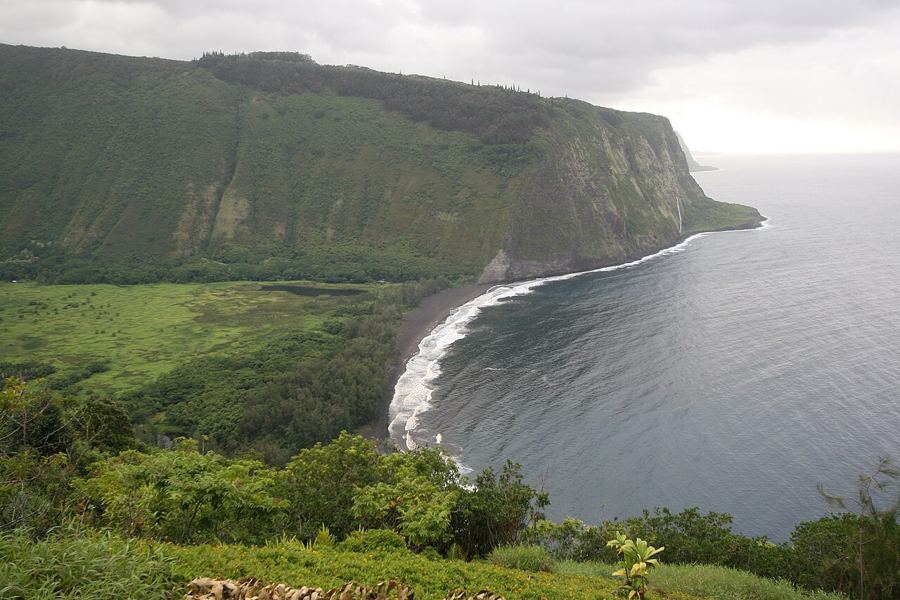 Looking down into Waipiʻo