ʻAkaka Falls and Honomū
A short loop through wet forest leads to one of the tallest single drops on the island, and a plantation-era town sits at the bottom of the hill.
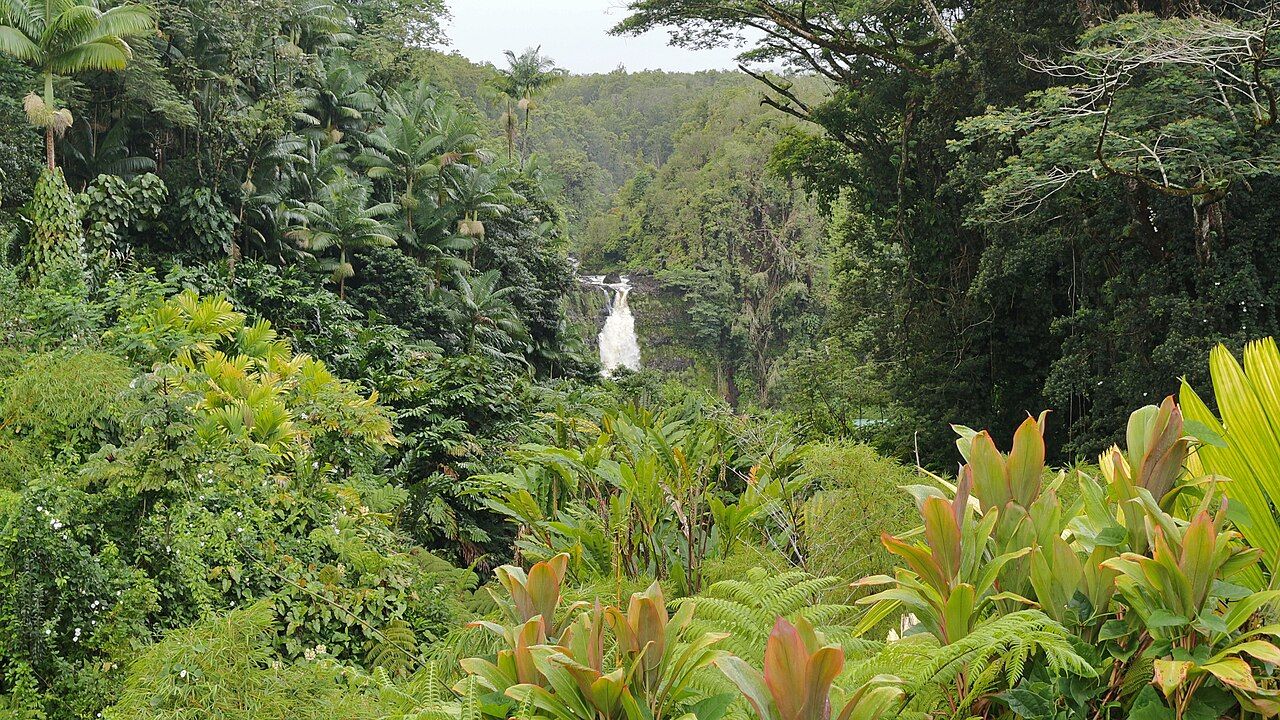
On the wet side of the island, a few miles north of Hilo, a side road climbs from the old highway through the town of Honomū and ends at a small parking area in the forest. From there a paved path drops and rises through a gully thick with bamboo, ginger and tree ferns, and at its far point the trees open onto a gorge. Across it, a single ribbon of water falls roughly 135 metres into a pool you will never stand beside. That is ʻAkaka Falls, and the loop that reaches it is one of the easiest ways to see the force of windward Hawaiʻi Island without leaving a path.
The park is small, the walk is short, and most people spend under an hour there. It rewards a slower visit, though, and the town below is worth more than a glance through a car window.
The loop through the forest
ʻAkaka Falls State Park is built around one paved loop, a little under a kilometre long. It is not flat. Steps lead down from the parking area, then the path rolls up and down along the edge of the gully, and the last stretch climbs back up to where you started. The surface is good, with railings at the viewpoints, but it is often wet, and moss grows quickly on anything that stays damp. Shoes with some grip make a difference.
Walking the loop in the usual direction, you reach a viewpoint for Kahuna Falls first. It is a taller drop in total, but you see it at a distance and partly screened by trees, so it reads as a smaller, more distant fall. Further on, the path turns a corner and ʻAkaka itself comes into view, dropping clean over a lip of rock into a deep green bowl. On a day after heavy rain the water is loud and brown at the edges; after a dry week it thins to a white thread. Both are worth seeing.
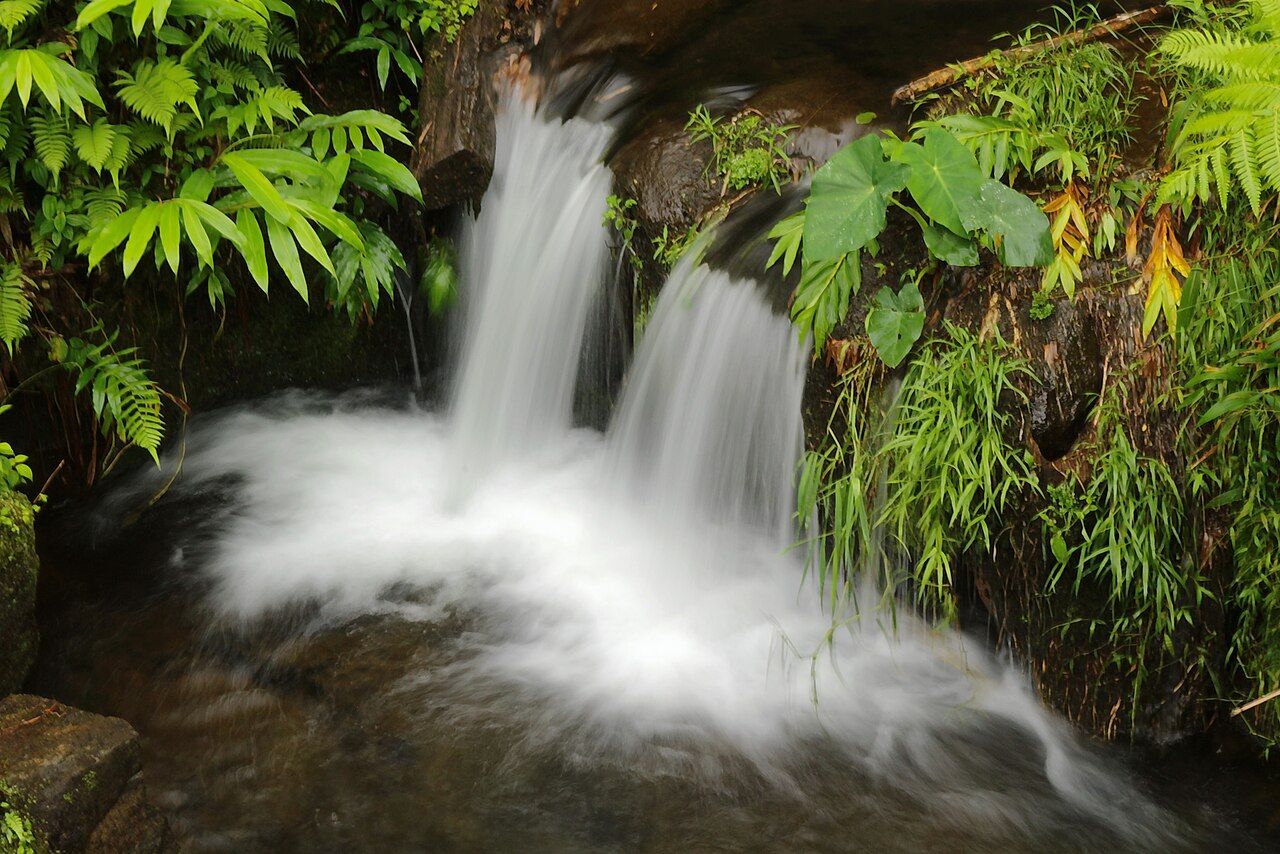
Much of what grows along the path is not native. Bamboo, heliconia, ginger, philodendron and the huge banyan-like figs arrived over the last two centuries, many as garden plants, and they have taken over the gully. The tree ferns, some of the mosses and the stream life are older. Native freshwater gobies called ʻoʻopu live in streams like this one and are known for climbing wet rock faces beside waterfalls using a sucker formed from their fins, a habit that lets them reach pools far above the sea.
A day at Honomu
The park is run by the state, and like other popular state parks it has seen changes to entry and parking arrangements, including fees for visitors from outside Hawaiʻi. The parking area is small and fills at busy times; arriving early in the morning or later in the afternoon makes for a quieter walk and an easier space.
Rain is the normal state of affairs. The windward side of the island catches the trade winds, and the forest here exists because of it. A light shower is part of the experience and often makes the falls better; a heavy downpour makes the steps slippery and the views grey. If the forecast shows a flash flood watch, the gorge is no place to linger.
- Stay on the paved path. The slopes off it are steep and loose, and people have been hurt trying to reach the stream.
- Keep children close at the viewpoints, where the drop beyond the railing is sheer.
- Insect repellent helps; mosquitoes are common in still, damp air.
- There are restrooms at the parking area but little else, so bring water.
The park is small, the walk is short, and most people spend under an hour there.
Honomū, the town below
Honomū grew up as a sugar town, one of the string of camps and villages that served the plantations along the Hāmākua and Hilo coasts for about a century. When the mills closed, the cane fields went quiet and many towns along the coast shrank. Honomū held on, partly because the road to the falls runs straight through it.
Also on this coastThe Hāmākua heritage driveThe main street is a single row of wooden storefronts with deep overhangs, several of them dating from the plantation era, with a church, a few small shops and places to eat. It is a working town where people live, not a set piece, so park considerately and keep the noise down on side streets. Walking the length of the street takes a few minutes and gives a better sense of the coast's history than any sign.
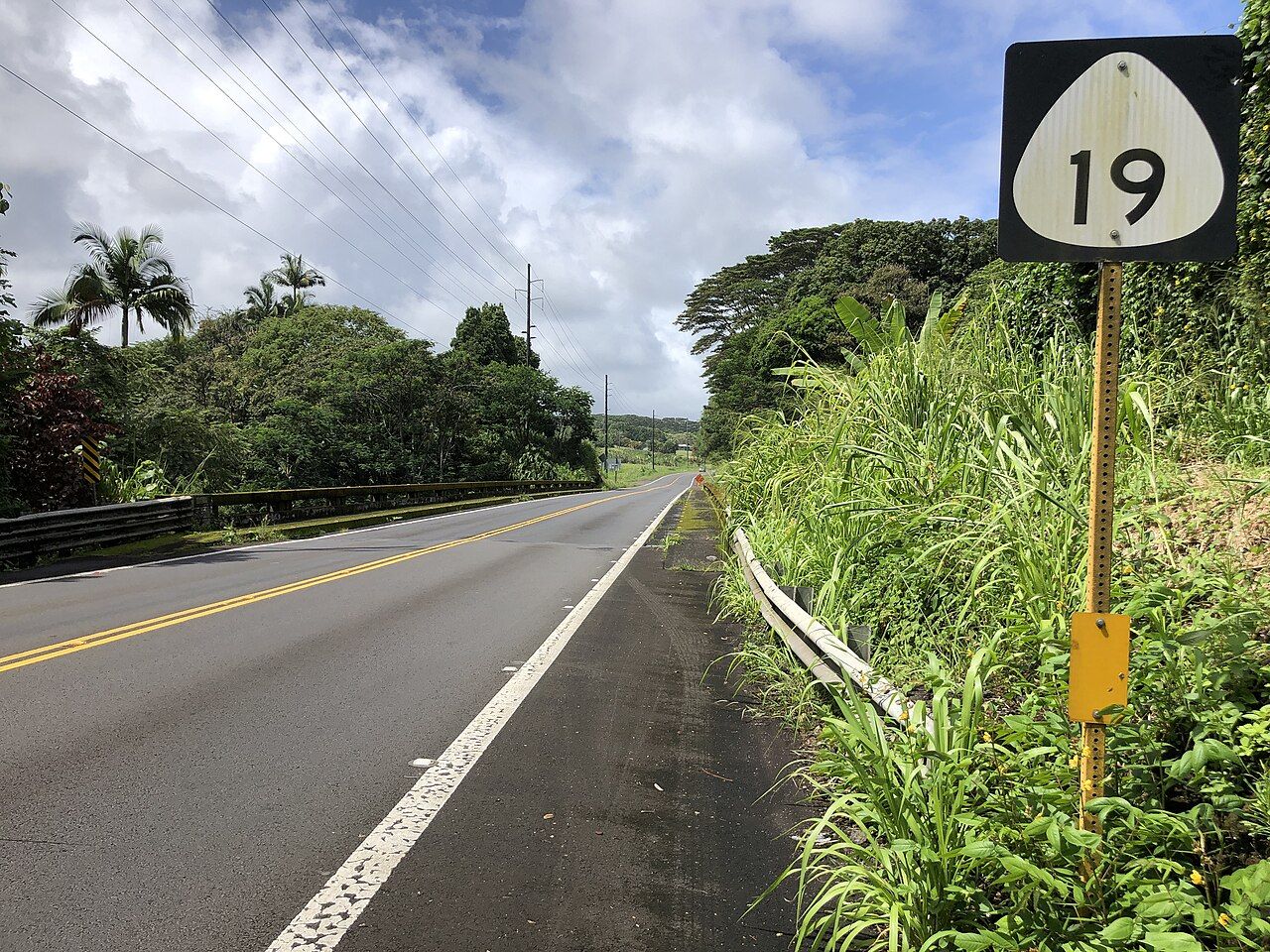
The junction where the town road leaves the highway is easy to miss. Coming from Hilo, the turn for Honomū and the falls sits on the inland side of the old coast highway, and from the town Route 220 climbs a few miles through pasture and forest to the park.
Fitting it into a day on the coast
ʻAkaka sits in the middle of a stretch of coast that is easy to spend a whole day on. To the south, Hilo is close enough for lunch, and Rainbow Falls on the Wailuku River is a second waterfall that takes minutes to see. To the north, the highway crosses gulch after gulch on long bridges, and the point at Laupāhoehoe tells the story of the 1946 tsunami. Further on, the road reaches Honokaʻa and the end of the line at the Waipiʻo lookout.
A sensible plan from the Hāmākua side is to drive south in the morning, walk the loop while the light is soft and the car park quiet, then work back north with stops at the gulches and the point. From Hilo, the same plan runs in reverse and ends with the late light over the valley at the Waipiʻo lookout.
Respect for the stream and the land
The water that falls at ʻAkaka runs on to the sea through Kolekole Stream, and like every stream on this coast it has a long human history. Streams fed loʻi kalo, carried fish, and marked the boundaries of land divisions that ran from the mountain to the shore. Much of the land along them today is private, and some of it is still farmed. Treat any path that leaves the park as off limits unless it is clearly public.
Leave the plants as they are, even the introduced ones; picking flowers along the loop is discouraged and spoils the walk for the next person. Do not throw coins or anything else into the gorge. And if you meet a sign closing part of the path after a landslip or storm, take it seriously: the ground in a rainforest gully moves more often than it looks.
Honomu, month by month
There is no bad month for ʻAkaka. The windward side is wetter from late autumn into spring, which means fuller falls and more chance of a soaking. Summer tends to be a little drier, with steadier trade winds. Mornings are usually the clearest time of day on this coast, before clouds build over the mountain, and they also bring the fewest visitors. Late afternoon can be quiet too, but the forest gets dark early under the canopy.
Whatever the season, give the walk more time than the signs suggest. The falls look different with every change of light and rain, and standing at the railing for ten minutes, listening to the water hit the pool far below, is the best part of the visit.
 Kalopa forest and the native trees
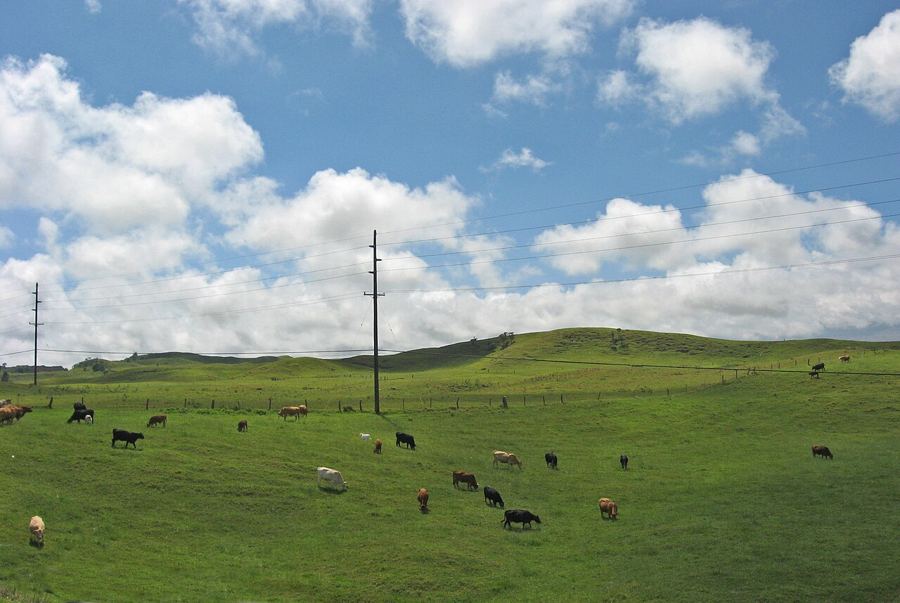 Waimea and the paniolo
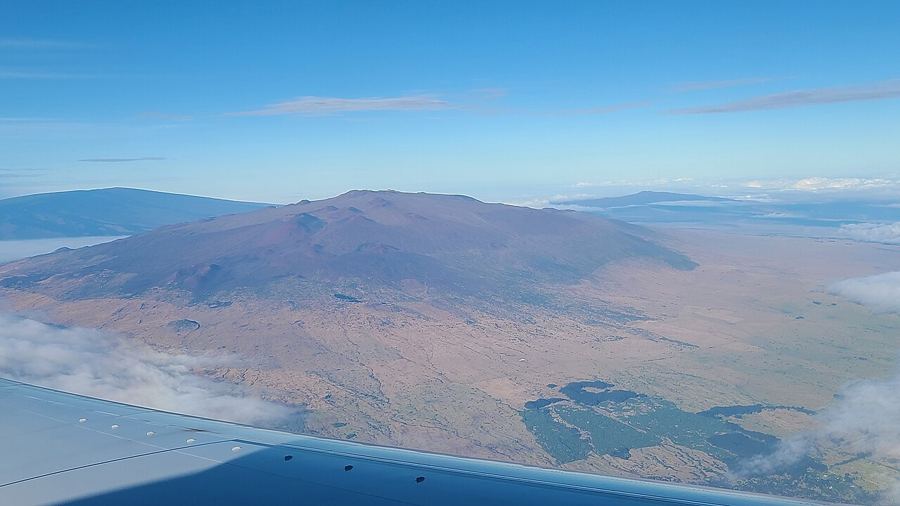 Mauna Kea, sacred mountain and sky